Beer Waste Reduction
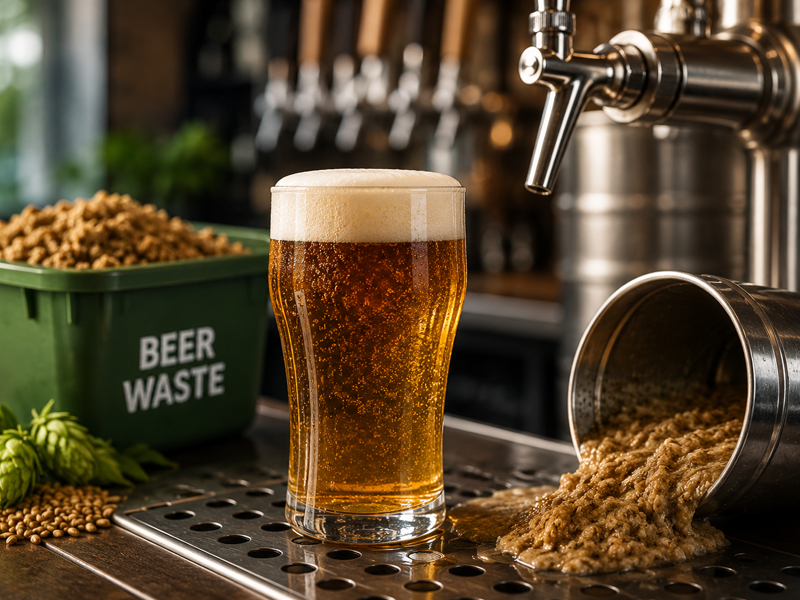
Why Bars Lose So Much Beer in Draught Systems
Most bars, restaurants, breweries, and stadiums focus heavily on food costs and labor expenses, but many overlook one of the biggest hidden losses behind the bar — wasted beer.
In commercial draught systems, beer loss often happens little by little during normal service. Staff may not notice a few ounces lost during a foamy pour or a keg change, but over weeks and months those small losses can become expensive.
A busy location changing multiple kegs every day can waste a surprising amount of product without realizing it.
Foam Problems During Keg Swaps
One of the biggest waste points happens when a keg empties. Air enters the line, beer begins to spit and foam, and bartenders usually need to wait until the system settles again before serving properly.
During that short period, beer is often dumped because the pours are unusable.
This becomes even worse in long-draw systems where beer lines run long distances from the cooler to the taps.
Temperature Makes a Big Difference
Warm beer creates foam quickly. Even small temperature fluctuations inside a cooler or beer line can affect pour quality.
If the system is not staying consistently cold, bartenders often deal with excessive head, slower pours, and more wasted beer throughout service.
Pressure Issues Create Inconsistent Pours
Incorrect gas pressure can create several common problems:
- Too much foam
- Flat beer
- Slow pouring
- Inconsistent carbonation
When the system pressure is not balanced properly, product loss usually increases.
Beer Waste Adds Up Faster Than Expected
A few ounces here and there may not seem serious during a shift, but the numbers grow quickly in high-volume operations.
Longer beer lines usually mean more product loss during keg changes. Some operators estimate losses ranging from only a few ounces in short systems to well over a pitcher in larger long-draw setups.
Multiply that across multiple taps and daily keg replacements, and the yearly cost can become substantial.
Other Hidden Costs
Beer waste is not limited to the product itself. Foam problems and unstable pours may also lead to:
- Wasted CO₂
- Additional cleanup
- Slower customer service
- More labor time
- Inconsistent drink quality
- Customer complaints
These operational issues can quietly affect both profitability and customer experience.
Ways Operators Reduce Beer Loss
Many venues reduce waste by focusing on a few practical improvements.
Staff Training
Simple pouring habits matter more than many people realize. Proper glass angles, cleaner keg changes, and better handling procedures can reduce unnecessary waste throughout the day.
Routine Maintenance
Regular line cleaning and preventative maintenance help keep the draught system operating consistently.
Neglected systems often create more foam and downtime.
Proper System Balancing
Maintaining correct pressure and stable temperatures helps improve pour consistency and reduce excessive foam.
Using Foam Control Devices
Many commercial draught systems use foam control devices, often called FOBs, to help reduce waste during keg replacement.
These devices automatically stop beer flow when a keg empties, helping keep air out of the line. As a result, operators often experience:
- Less foam after keg changes
- Faster recovery time
- More consistent pours
- Reduced beer loss
Pacific Beer Equipment
For decades, Pacific Beer Equipment has supplied draught foam control solutions for commercial beverage systems.
Their systems are commonly installed in:
- Bars
- Breweries
- Restaurants
- Hotels
- Stadiums
- Casinos
- Airports
The equipment is also used in several non-beer beverage applications, including nitro coffee and frozen beverage systems.
Final Thoughts
Beer waste is a common issue in commercial draught operations, especially in busy high-volume environments.
While some loss is unavoidable, many operators improve efficiency by focusing on better pouring practices, proper maintenance, stable system balancing, and foam control during keg changes.
Over time, even small reductions in wasted product can make a noticeable difference in operating costs and overall draught performance.